Tree Health Diagnosis
Don’t let your tree’s health go unnoticed!
A tree health diagnosis service provided by a Certified Arborist is a comprehensive assessment of the overall health and well-being of a tree. This service can help identify potential problems and provide recommendations for treatment or maintenance to ensure the longevity and vitality of the tree.
During a tree health diagnosis, Advanced Tree & Shrub Care will thoroughly examine the tree, including its roots, trunk, branches, and leaves. We look for any signs of disease, stress, or damage that could be impacting the tree’s health. This may include signs of pests, such as insects or fungal infections, or structural issues, such as damaged or broken branches.
Tree Health Diagnosis
The tree’s environment will also be taken into consideration, including the soil conditions, drainage, and exposure to sunlight, to determine if there are any external factors that may be affecting the tree’s health. They also take into account the tree’s age, species, and overall condition to help determine the best course of action. Based on the findings, we will provide recommendations for treatment or maintenance to help improve the tree’s health. This may include pruning, fertilization, treatments, or other measures to support the tree’s growth and vitality.
Overall, a tree health diagnosis service can provide valuable insight into the health and well-being of a tree and help ensure it remains a healthy and vital part of the landscape. Contact Advanced Tree & Shrub Care today to learn more!
How Do I Know I Need a Tree Health Diagnosis?
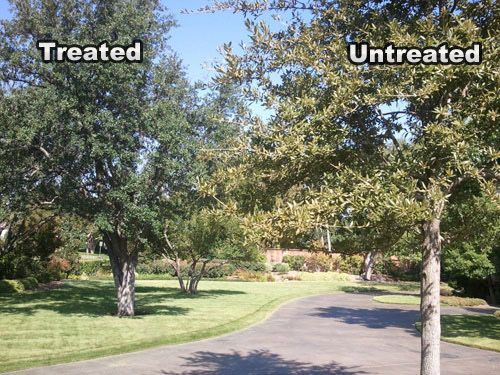
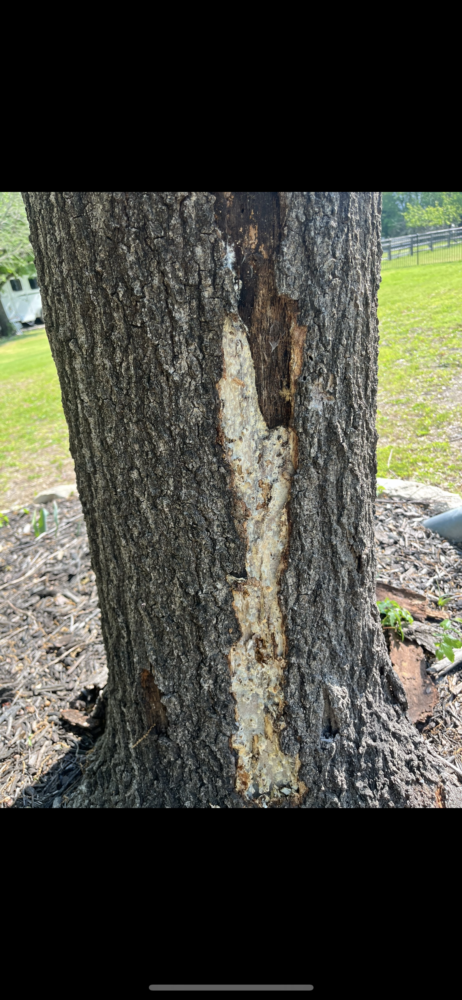
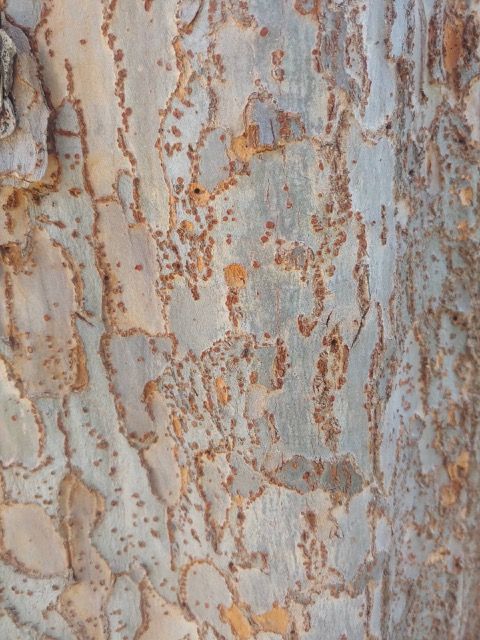
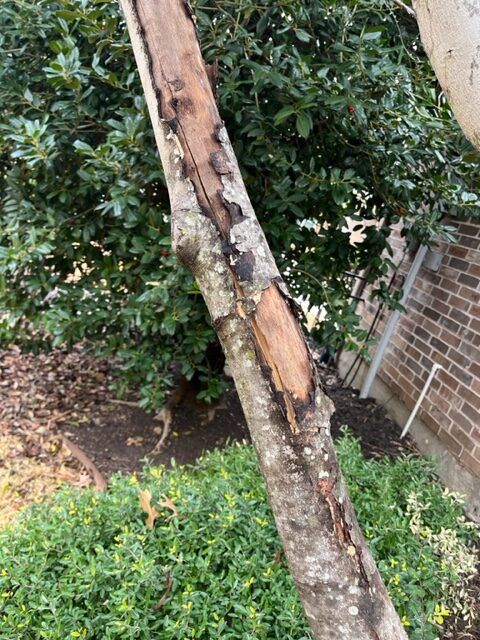
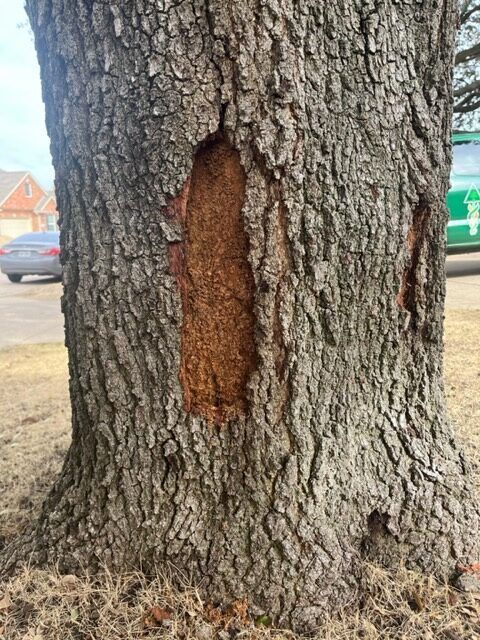
You are the steward of the trees on your property, and you know your trees best. However, you may need a professional tree health diagnosis from a Certified Arborist if your trees show any signs of stress or deterioration, that could lead to death or decline, including:
- Thin, dwarfed or damaged leaves
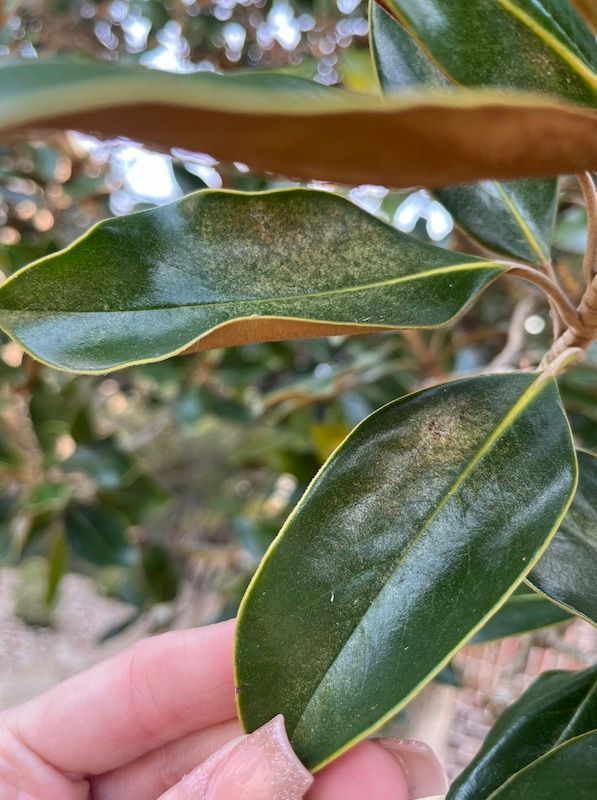
- Leaf colors other than dark green
- Leaves slow to develop (bud) and/or early leaf drop
- Tree tip dieback
- Dead or dying limbs, branches or leaves
- Growths such as mushrooms on trunk, limbs or roots or underneath the tree on the ground
- Bumpy scales or powdery substances on the bark, branches or leaves
- Loose or deteriorating bark
- Weather related damage such as lightning strikes, hail, winds, drought or flooding
- Insect exit holes and or bleeding on trunk or branches
- External damage from impact to the tree
Why Should I Call Advanced Tree & Shrub Care for a Diagnosis?
Because tree health diagnosis is a specialized tree service, it requires arboricultural expertise in such areas as Tree Risk Assessment and Structural Defect Identification (wounds, cankers, decays, etc.). You will receive from Advanced Tree & Shrub Care:
- An educated, well trained, knowledgeable and experienced staff of ISA Certified Arborists
- A full assessment of the health and structural risk of trees and shrubs on your property
- Identification of species
- Identification of stress issues that your trees may have or be vulnerable to
- Recommendation of the proper care and treatment for your tree’s specific condition
- Recommended tree services that Advanced Tree & Shrub Care can provide
What is a Tree Health Diagnosis?
A tree health diagnosis is a fee-based professional consulting service performed by an Advanced Tree Care Certified Arborist that requires an onsite visit with the property owner who can provide both historical and current information such as soil disturbances, weather events and irrigation issues. The diagnosis is a complex assessment of tree health to determine:
- The risks or threats to the life of the trees(s)
- The proper response in treating the tree(s) to minimize or eliminate those risks or threats
Recognizing When Your Trees Need Professional Evaluation
Tree Health Diagnosis in Dallas for visible decline, abnormal growth, or stress patterns affecting landscape assets
A tree showing sudden leaf drop in midsummer, crown thinning on one side, or unexpected dieback signals a problem that often worsens without proper assessment. Advanced Tree & Shrub Care, Inc provides tree health diagnosis across Dallas and surrounding communities to determine whether a tree requires treatment, targeted pruning, long-term preservation efforts, or removal. North Texas heat, severe storm cycles, and changing site conditions create ongoing stress that shows up in ways property owners recognize only after the tree has declined significantly.
The diagnosis process identifies visible decline patterns, pest pressure, disease symptoms, and environmental stress factors affecting root zones and canopy structure. Proper assessment separates treatable conditions from structural failures or infestations too advanced for meaningful intervention, guiding decisions that protect investment and landscape function.
Schedule an evaluation when a tree changes appearance or performance unexpectedly during any season.
How Diagnosis Determines Appropriate Tree Response
Tree health diagnosis begins with examining foliage density, branch structure, bark condition, and root-zone environments to identify stress indicators that reveal underlying problems. ISA Certified Arborists look for pest activity, fungal growth, soil compaction, drainage issues, and mechanical damage that compromise tree function over time.
After the assessment, you receive a clear explanation of what the tree is experiencing and what options address the identified issues. Some trees respond to nutrient correction or pest management, others need structural pruning to remove failing limbs, and some have progressed beyond the point where preservation makes sense given safety or cost considerations.
The diagnosis also accounts for site-specific factors like irrigation changes, construction impacts, or soil grade adjustments that alter conditions around established trees. Knowing the cause helps property owners prevent similar stress patterns in other landscape plantings.
Questions Property Owners Ask About Tree Assessment
Tree health questions often focus on what the evaluation reveals and how quickly problems need attention once symptoms appear.
What happens during a tree health evaluation?
The inspector examines the canopy, trunk, visible root flare, and surrounding site conditions to identify stress symptoms, pest activity, disease indicators, or structural concerns that explain the tree's current condition.
How do North Texas heat and storms affect tree health patterns?
Prolonged heat stress weakens trees and makes them more vulnerable to pest infestations like borers, while sudden storms expose weakened branch structure or root systems compromised by drought cycles common in the Dallas region.
When should a property owner schedule a diagnosis?
Assessment makes sense when a tree shows unexpected leaf loss, discolored foliage, canopy thinning, visible fungal growth, or dieback that wasn't present in previous seasons.
What does the diagnosis determine about treatment or removal?
The evaluation separates conditions that respond to targeted care from structural failures or advanced disease where removal becomes the safer, more cost-effective decision.
How does diagnosis differ from a standard tree service visit?
Diagnosis focuses specifically on identifying the cause of visible symptoms and determining whether the tree can recover with intervention, while standard service visits address known needs like pruning or routine maintenance.
Advanced Tree & Shrub Care, Inc provides tree health diagnosis that connects visible symptoms to specific causes and actionable recommendations. Request an evaluation when landscape trees show signs of stress or decline before conditions progress further.