
Firewood Worth Burning Every Single Time
Firewood Sales in Fairview for homeowners dealing with smoky fires, poor burn quality, or unreliable supply
Improperly dried wood produces more smoke than heat, deposits creosote in chimney flues faster than seasoned wood does, and burns through a stack without generating the warmth a fireplace or fire pit is supposed to deliver. Advanced Tree & Shrub Care, Inc. sells firewood in Fairview to homeowners and businesses who want wood that actually performs — in indoor fireplaces, outdoor fire pits, and backyard gathering spaces. The difference between a frustrating fire and a functional one starts with what you burn.
Sourcing firewood through a tree care company puts you closer to how the wood was processed. Advanced Tree & Shrub Care, Inc. approaches firewood the same way it approaches its other tree work — with attention to what the wood actually is and how it was handled before it reaches you. When you inquire about availability, the conversation covers what's in stock, what quantities suit your situation, and whether pickup or other arrangements fit your needs.
Contact Advanced Tree & Shrub Care, Inc. to ask about current firewood availability and find out what quantities and options are on hand for your fireplace or fire pit.
How Firewood Quality Affects the Fire You Build
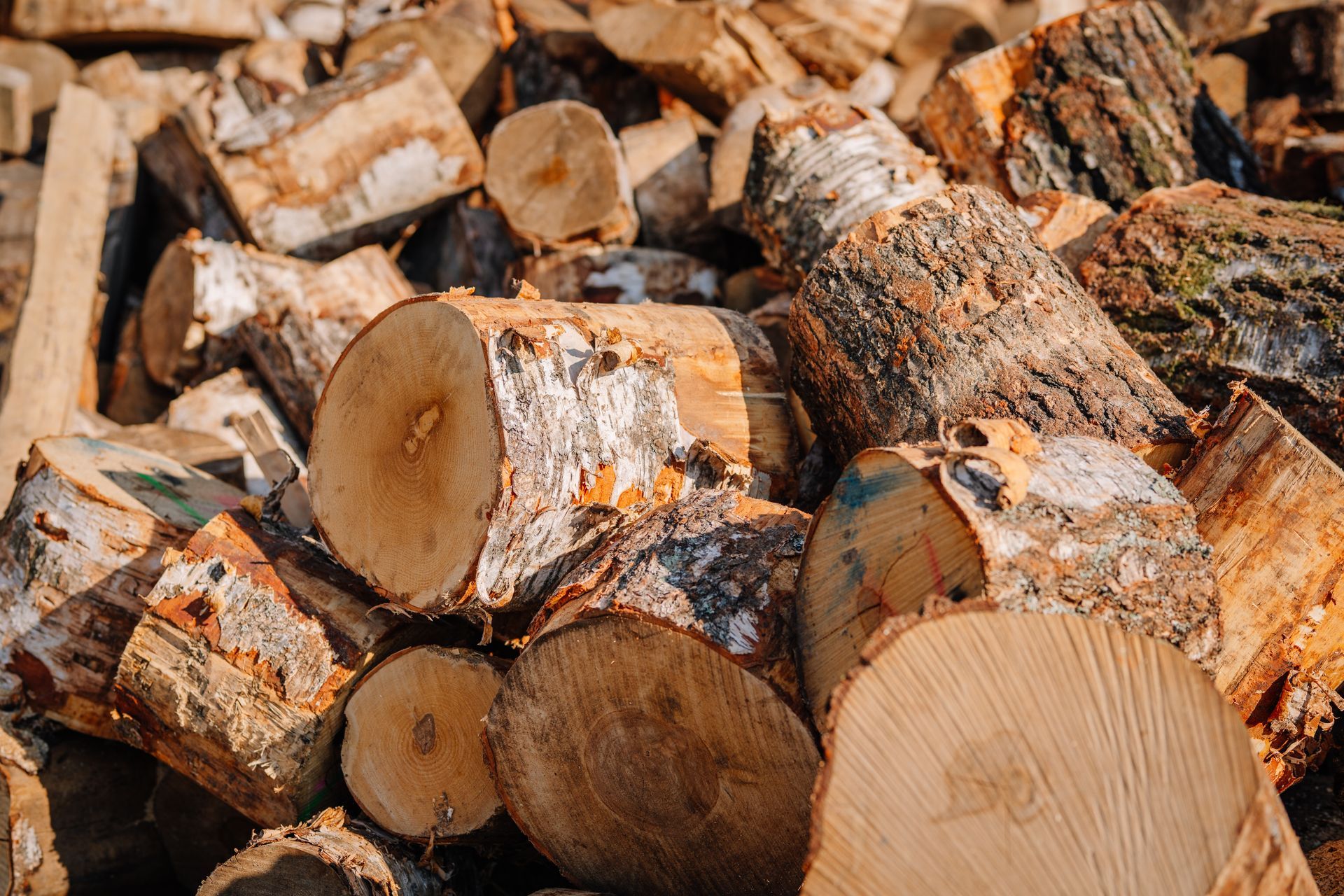
The core variable in firewood performance is moisture content. Wood that hasn't dried adequately — regardless of species — resists ignition, produces heavy smoke as it burns off retained water, and delivers a fraction of the BTUs that properly dried wood does. When you split a piece of well-dried firewood, the cut faces show visible checking marks (small cracks radiating from the center), the wood feels noticeably lighter than green wood of the same size, and it makes a sharp crack when two pieces strike together rather than a dull thud. These are the physical signs that the wood is ready to burn.
Once you're burning correctly dried wood, the difference is observable from the first fire: flames establish faster, the fire holds a steady burn without constant tending, and you produce significantly less smoke — which matters if you're using an outdoor fire pit in a neighborhood setting or a fireplace where smoke rollback into the room is a concern. The firebox stays cleaner over the course of a season because incomplete combustion byproducts accumulate far more slowly.
For indoor fireplaces, hardwoods generally outperform softwoods in burn duration and heat output because of their higher density — meaning you load the firebox less often through an evening. For outdoor fire pits where the visual and social aspect of the fire matters as much as heat, the right wood still needs to be dry enough to ignite cleanly and hold a flame without excessive smoke affecting the people sitting around it. What's available through Advanced Tree & Shrub Care, Inc. at any given time is worth confirming directly, since inventory reflects what has been processed and properly dried.
Common Questions About This Service
These questions address how firewood is assessed, what affects usability, and what to consider when choosing wood for different burning applications.
What is the difference between seasoned and green firewood, and why does it matter?
Seasoned firewood has been split and allowed to dry over time until its moisture content drops low enough for efficient combustion, while green wood has been cut recently and still holds significant moisture. Burning green wood produces heavy smoke, reduces heat output substantially, and accelerates creosote buildup inside chimney flues — a condition that affects many older masonry fireplaces common in established Fairview and McKinney neighborhoods.
How do you identify whether firewood is ready to burn before purchasing or using it?
Properly dried firewood shows checking cracks on the cut ends, feels considerably lighter than a similarly sized green piece, and produces a sharp cracking sound when struck against another piece rather than a muted thud. Bark that separates easily from the wood surface is another reliable indicator that drying has occurred.
What quantity of firewood should you purchase for a full season of regular fireplace use?
Quantity depends on how frequently you burn and whether the fireplace is a primary heat source or used for ambiance — a household burning three or four fires per week through a full cool-weather period will move through wood faster than one burning occasionally on weekends. Discussing your typical use pattern when you inquire gives a more useful answer than a generic quantity estimate.
Why does wood species affect how long a fire burns and how much heat it produces?
Denser hardwoods contain more combustible material per cubic foot than lower-density softwoods, which translates directly to longer burn times per piece and higher sustained heat output. This is why hardwood-fueled fires require less frequent loading to maintain the same fire over an evening compared to fires built from lighter softwood species.
What should you consider when storing firewood at your property before use?
Firewood should be stacked off the ground on a rack or pallet to prevent moisture wicking from the soil surface, positioned with cut ends exposed to airflow rather than stacked flat, and covered on top while leaving the sides open for continued drying and ventilation. Storing wood directly against the exterior wall of a structure is not recommended because it creates conditions favorable to pest access points.
Advanced Tree & Shrub Care, Inc. also provides firewood to customers in McKinney, Allen, Frisco, Plano, and Dallas. To find out what's currently available, ask about quantities that fit your fireplace or fire pit setup, and discuss pickup or other arrangements, connect directly with Advanced Tree & Shrub Care, Inc. — the team can give you accurate information based on current stock rather than estimates.