Cupping and Curling Leaves on Live Oaks, Is Your Tree Dehydrated?
Tree Dehydration Symptoms Every North Texas Homeowner Should Know
Live oaks are among the most treasured trees in North Texas. Their wide, beautiful green canopies provide welcome shade during long, hot summers, improve curb appeal, and add lasting value to residential and commercial properties. While these hardy trees are well adapted to drier conditions, they are not immune to extreme drought stress. During periods of extreme heat and limited rainfall, one of the first warning signs homeowners may notice is leaves that begin cupping upward or curling inward.
At Advanced Tree and Shrub Care, Inc., our certified arborists help property owners throughout the Dallas-Fort Worth Metroplex recognize the early signs of tree stress before they develop into serious health issues. Cupping and curling leaves may seem like a small concern, but they often indicate that a tree is struggling to get the moisture it needs to remain healthy. By identifying dehydration early, homeowners can often prevent permanent damage and extend the life of their trees. Understanding what causes leaf curling, what other symptoms to watch for, and when to consult a certified arborist can make all the difference in protecting your landscape investment.
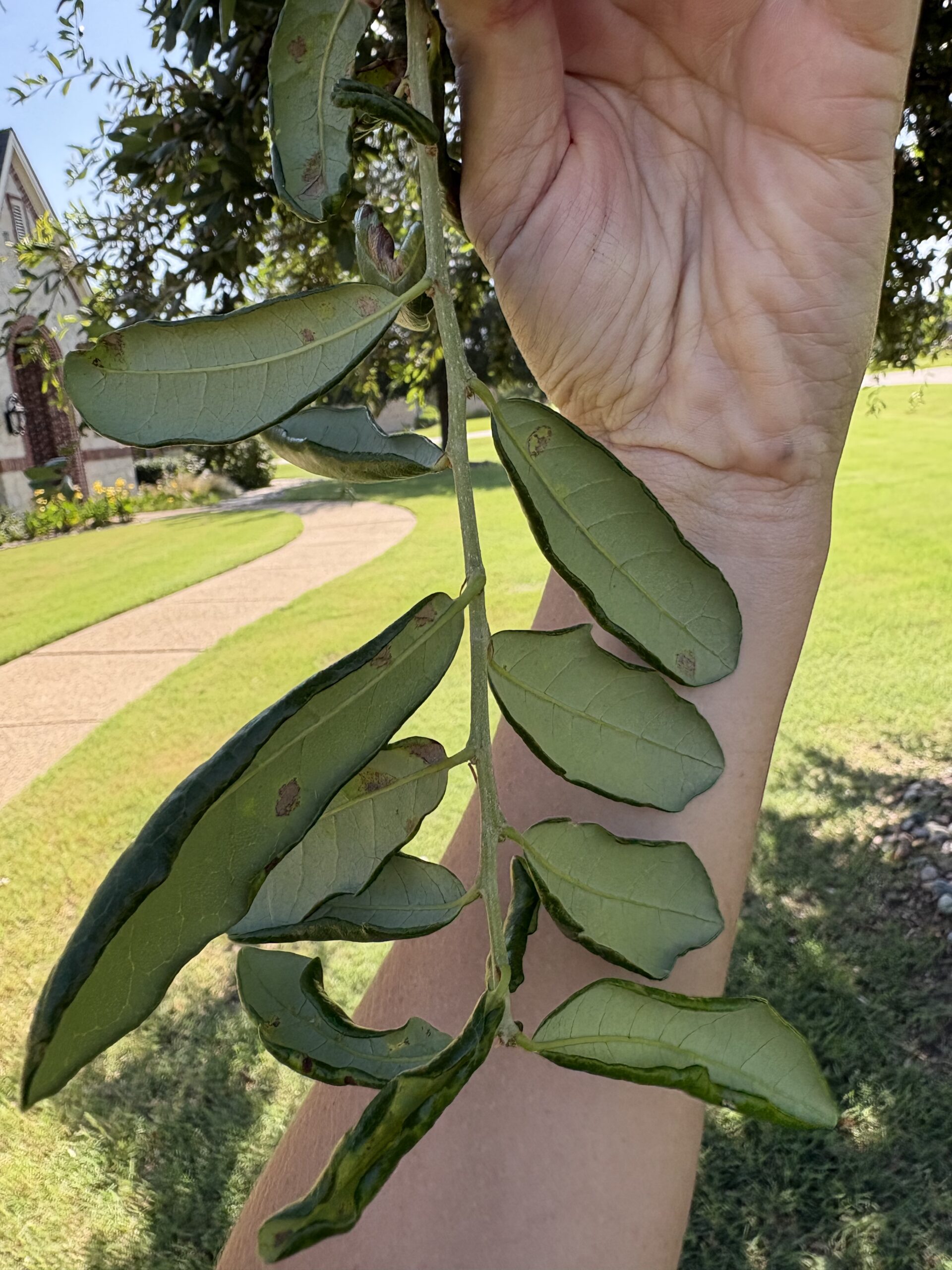
Why Are My Live Oak Leaves Cupping and Curling?
- Prolonged periods of extreme summer temperatures
- Limited or inconsistent rainfall
- Compacted or poorly draining soils
- Root damage caused by construction or trenching
- Improper watering practices
Although live oaks are known for their drought tolerance, even mature trees can become stressed during extended dry periods. Without enough moisture, leaves may eventually develop brown edges, become brittle, or drop prematurely.
Additional Signs Your Tree May Be Dehydrated
Leaf curling is often just one symptom of drought stress. As dehydration progresses, homeowners may notice several additional warning signs throughout the tree.
These symptoms commonly include:
- Brown or scorched leaf margins
- Smaller than normal leaves
- Premature leaf drop during the growing season
- Thinning or sparse canopy growth
- Dead twigs and small branches
- Dry, cracked soil surrounding the root zone
The U.S. Forest Service notes that drought-stressed trees are also more susceptible to insect infestations and diseases because water stress weakens their natural defense systems. This makes early detection especially important. Generally, insects tend to be a secondary issue and attack weakened trees. Since these symptoms can also resemble nutrient deficiencies, root damage, disease, or insect activity, an inspection by a certified arborist is the best way to determine the underlying cause and recommend the proper treatment.
Why Early Diagnosis Is So Important
Trees respond differently to drought than lawns or shrubs. Instead of immediately dying, they often decline gradually over months or even years. During this time, internal stress continues to weaken the tree even if outward symptoms appear minor.
When dehydration continues, a tree is more likely to go through extreme suffering the second time it is affected. Over time, this can lead to permanent canopy loss, structural weakness, and declining overall health.
Across communities such as Plano, Frisco, McKinney, Flower Mound, Southlake, Keller, and throughout the Dallas-Fort Worth Metroplex, prolonged summer heat frequently places cumulative stress on mature trees. Trees that appear healthy in the spring can quickly begin showing signs of decline by mid to late summer.
Having a certified arborist evaluate your tree at the first signs of stress can help prevent:
- Permanent canopy thinning
- Branch dieback
- Increased insect infestations
- Disease development
- Costly tree removal
Early intervention often gives a tree the best opportunity for a full recovery.
How Our Certified Arborists Diagnose Tree Dehydration
Not every tree with curling leaves simply needs additional water. Similar symptoms may result from root diseases, soil compaction, overwatering, herbicide injury, or insect damage.
Our certified arborists perform a comprehensive evaluation that includes:
- Examining overall canopy health
- Inspecting leaf color, size, and distribution
- Evaluating soil moisture and drainage
- Assessing the root flare and surrounding root zone
- Looking for insects or disease symptoms
- Identifying construction or landscape changes affecting the roots
- Evaluating the tree’s overall growing conditions
This detailed assessment allows us to identify the true source of stress and develop a treatment plan that addresses the root cause rather than simply treating the symptoms.
Helping Your Live Oak Recover From Dehydration
If dehydration is diagnosed, proper watering practices become the foundation of recovery. One of the most common mistakes homeowners make is watering only near the trunk. In reality, trees’ absorbing roots extend well beyond the canopy.
Deep watering across the entire root zone allows moisture to reach the roots that actually absorb water and nutrients.
Recovery from dehydration takes time. Depending on the severity of the stress, improvements may occur gradually over several months. Consistent watering and ongoing monitoring provide the best chance for long-term success.
Protect Your Live Oaks Before Drought Stress Causes Lasting Damage
Cupping and curling leaves are one of the earliest ways a live oak signals that something is wrong. While dehydration is a common issue during North Texas summers, it should never be ignored. Addressing water stress early can prevent permanent damage, reduce the risk of insect and disease problems, and help preserve the beauty and longevity of your trees.
At Advanced Tree and Shrub Care, Inc., our certified arborists provide expert tree care, tree trimming, tree pruning, tree removal when necessary, and comprehensive tree health evaluations throughout the Dallas-Fort Worth Metroplex. Whether your live oak is showing early signs of dehydration or more advanced decline, our team can identify the problem and recommend the right solution to restore your tree’s health.
Ready to protect your trees? Contact Advanced Tree and Shrub Care, Inc. today to schedule an evaluation with a certified arborist and give your live oaks the expert care they deserve.