5 Warning Signs You Should Call an Arborist Immediately (Before Tree Damage Gets Worse)
Emergency Tree Care: How to Spot Dangerous Tree Problems Early
Trees add beauty, shade, and value to properties throughout North Texas. From established neighborhoods in Lewisville and Flower Mound to commercial properties across the Dallas-Fort Worth area, healthy trees play an important role in our landscape. However, when a tree begins to show signs of distress, delaying professional attention can lead to costly property damage, safety hazards, and even the loss of the tree itself.
At Advanced Tree & Shrub Care, Inc., our certified arborists help homeowners and businesses identify tree health issues before they become major problems. With decades of experience providing professional tree service, tree care, tree trimming, and tree removal solutions, we understand the unique challenges that North Texas weather creates. Extreme heat, drought conditions, severe storms, and high winds can all place significant stress on trees.
Knowing when to call a certified arborist can make the difference between saving a valuable tree and facing an emergency tree removal situation. If you notice any of the following warning signs, it’s time to schedule a professional tree inspection as soon as possible.
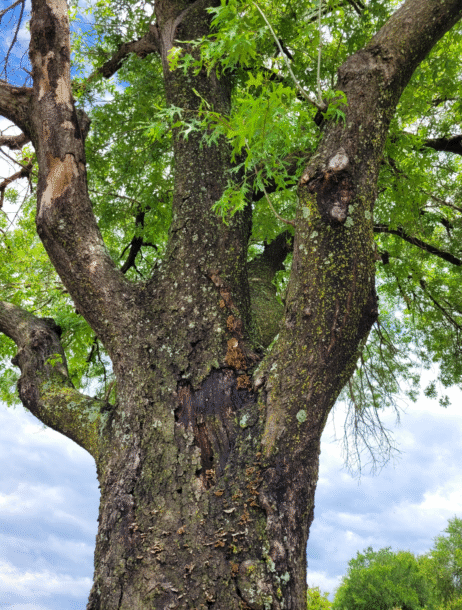
Large Dead Branches or Falling Limbs
One of the most obvious signs that you need immediate arborist attention is the presence of large dead branches. Dead limbs are more than just an eyesore. They can fall unexpectedly, posing serious risks to people, vehicles, homes, and power lines.
Research from the USDA Forest Service indicates that structural defects and dead wood significantly increase the likelihood of branch failure during storms. In North Texas, strong spring thunderstorms and seasonal wind events can quickly turn a weakened branch into a dangerous projectile.
A certified arborist can determine whether selective tree pruning or tree trimming service can restore safety or whether more extensive action is necessary.
Deep Cracks in the Trunk or Major Limbs
Trees naturally develop minor imperfections over time, but deep vertical cracks or splits in the trunk should never be ignored. These structural weaknesses can indicate internal decay, storm damage, or complete tree failure.
In some cases, corrective pruning or support systems may help preserve the tree. In severe situations, tree removal service may be recommended to eliminate safety hazards.
A knowledgeable, certified arborist will inspect the tree and give a step-by-step process in order to save the tree.
Sudden Leaning or Uprooting
While some trees naturally grow at slight angles, a tree that suddenly begins leaning can be a sign of root failure or structural instability.
A leaning tree becomes especially dangerous after heavy rainfall, which can saturate soil and reduce root anchorage. North Texas clay soils are particularly prone to shifting moisture levels, which can impact root stability.
Call a certified arborist immediately if you notice:
- Newly exposed roots
- Soil lifting around the base
- A noticeable change in the tree’s angle
- Cracks forming in the ground nearby
Waiting to address a leaning tree can increase the risk of complete collapse, especially during storms. A professional tree service can assess the situation and recommend the safest course of action.
Extensive Leaf Loss or Sudden Decline
Trees typically show signs of stress before major health issues become visible. One of the earliest indicators is unusual leaf loss or canopy thinning.
Early intervention often improves the likelihood of saving a declining tree.
If your tree suddenly develops sparse foliage, discolored leaves, or bare sections during the growing season, a certified arborist can diagnose the underlying issue.
Many homeowners assume a declining tree simply needs more water. However, improper watering can sometimes worsen the problem. Professional tree care ensures the correct diagnosis and treatment plan.
Signs of Disease, Decay, or Pest Infestation
Tree diseases and insect infestations can spread quickly when left untreated. Early detection often prevents extensive damage and may save nearby trees as well.
Warning signs include:
- Mushrooms growing around the base
- Soft or decaying wood
- Large cavities in the trunk
- Unusual leaf discoloration
- Visible insect activity
- Sawdust-like material near the trunk
Why Immediate Arborist Attention Matters
Many property owners wait until a tree becomes an obvious hazard before calling for help. Unfortunately, by that point, the damage is often more extensive and expensive to address.
Certified arborists use specialized equipment and diagnostic techniques to identify hidden problems that homeowners may not recognize.
Protect Your Trees Before Small Problems Become Big Ones
Trees are valuable assets, but they require professional attention when warning signs appear. Dead branches, trunk cracks, sudden leaning, declining foliage, and signs of disease should never be ignored. Acting quickly can help preserve your landscape, protect your property, and avoid costly emergencies.
If you’ve noticed any of these warning signs, don’t wait for the problem to worsen. Contact Advanced Tree & Shrub Care, Inc. today to schedule an certified arborist evaluation and learn how our expert tree care services can help keep your property safe and beautiful throughout North Texas.