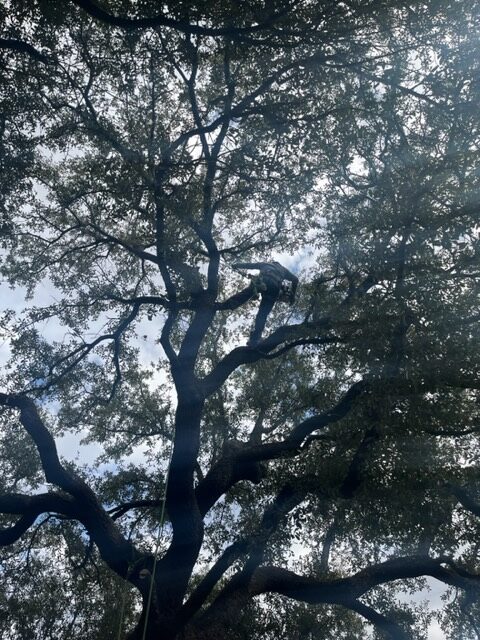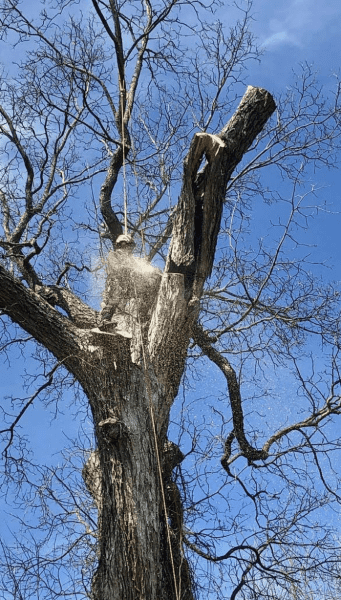
Professional Tree Removal Services
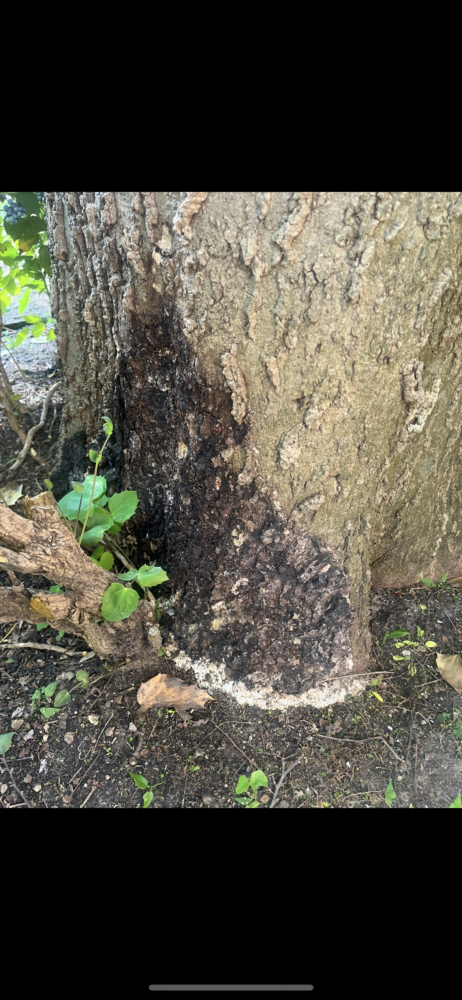
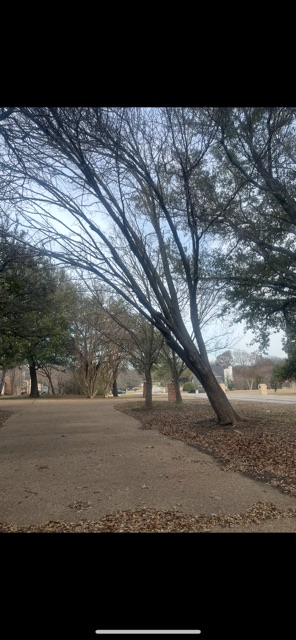
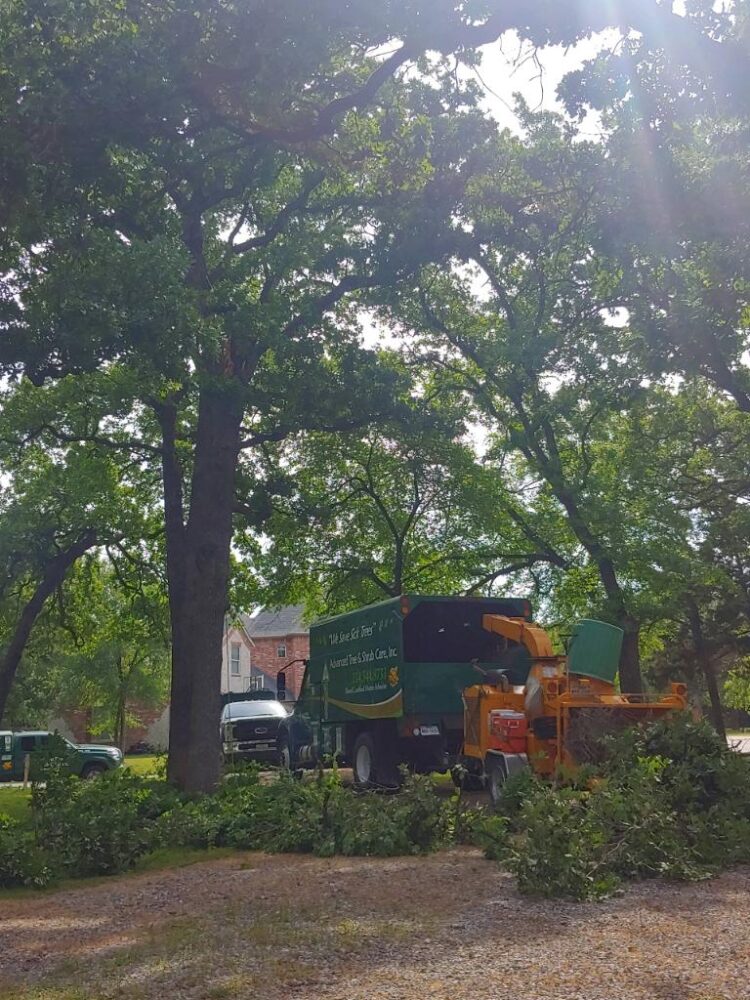
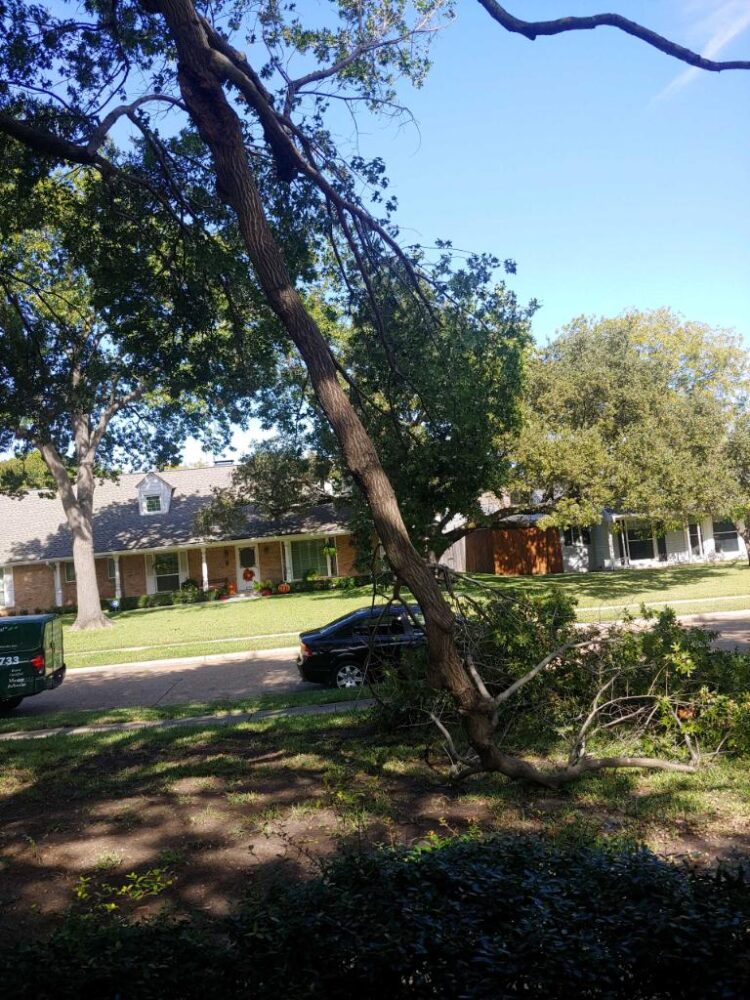
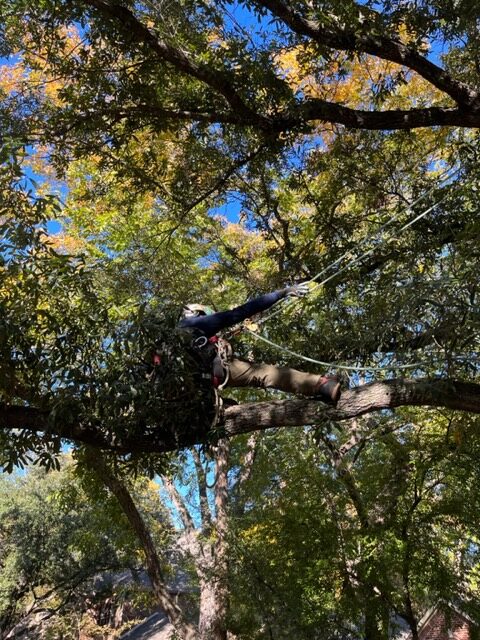
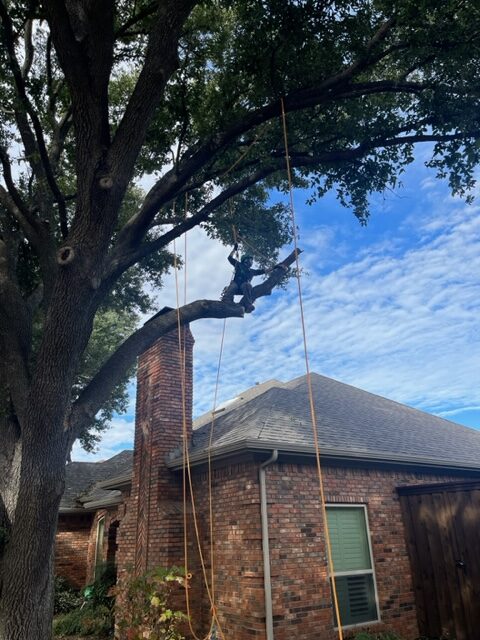
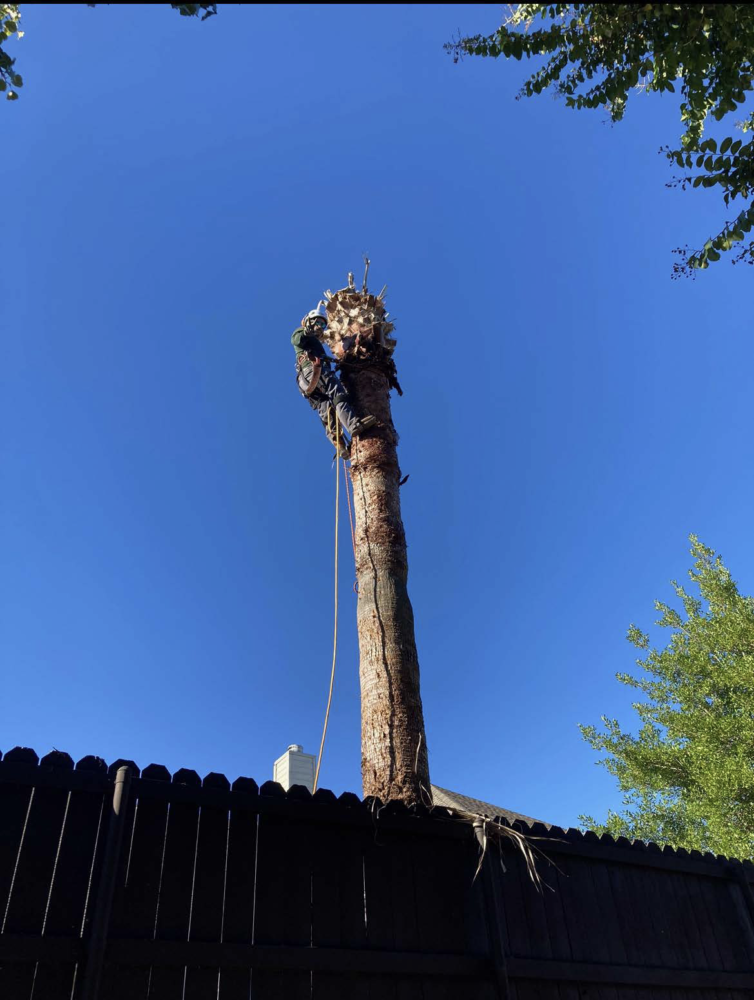
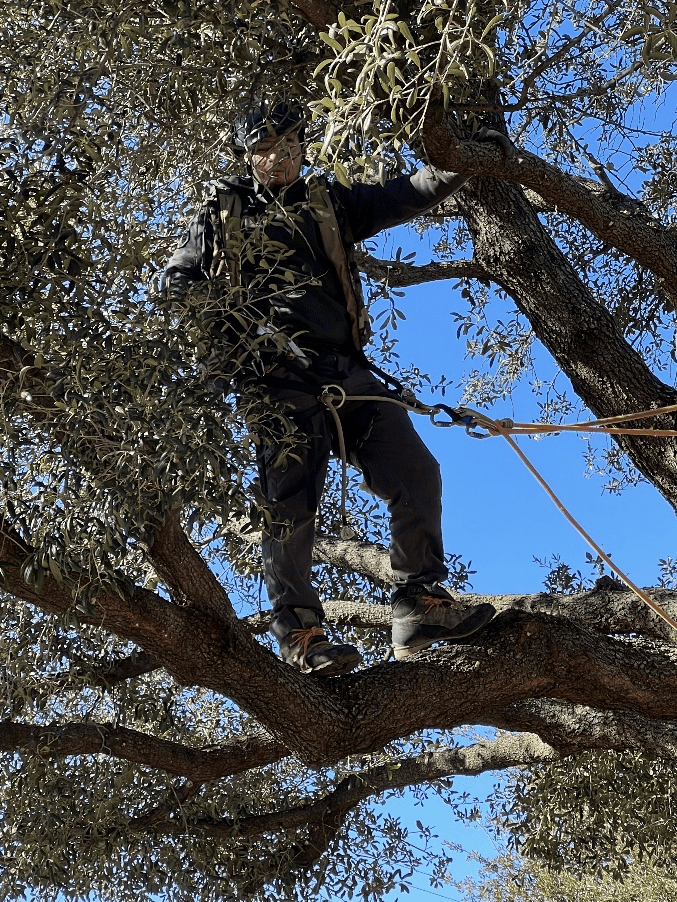
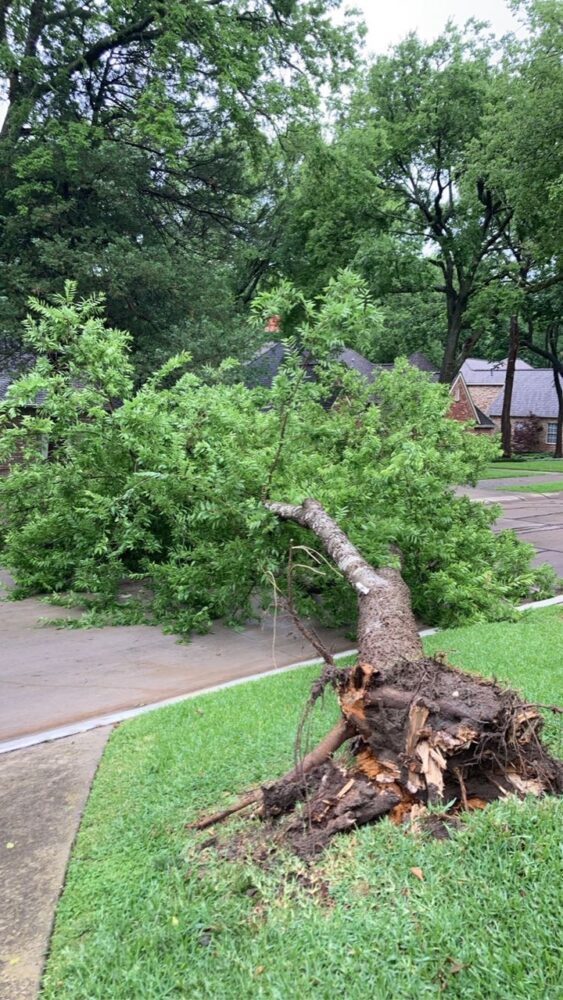
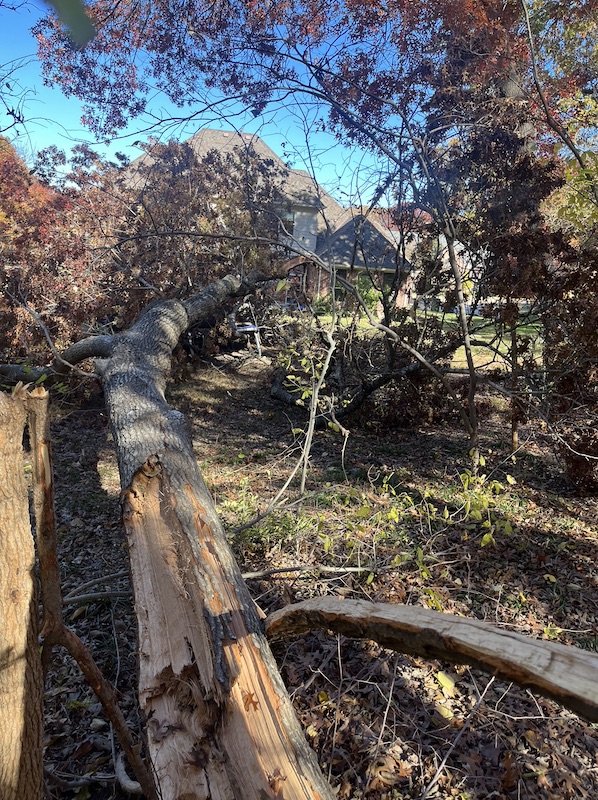
Tree removal of small trees presents no special problems. In fact, some homeowners choose to tackle small tree removals themselves. However, tree disposal can offer a challenge–especially if the tree is infected and must be removed from the property. As trees grow and increase in size, both in height and width, they become increasingly more difficult to remove, making the services of a professional highly desirable if not an absolute necessity. When choosing a tree service company to remove a tree from your property, it is important to identify a company that has:
Tree Pruning & Shrub Trimming
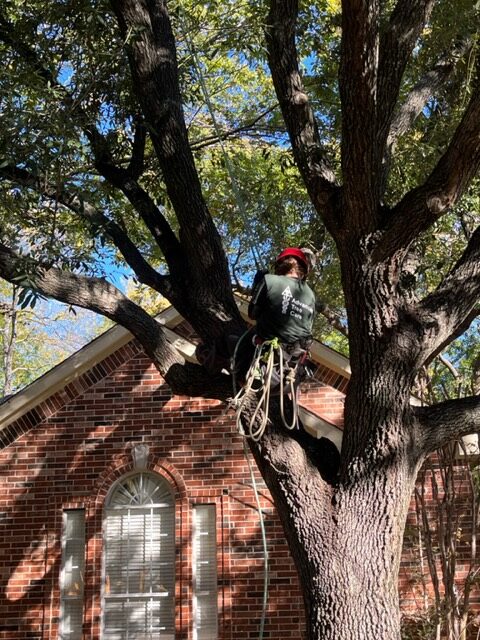
More commonly referred to as tree trimming, tree pruning is the most common maintenance operation. While it’s best to prune trees in their dormant season, pruning can take place any time of the year.
Trees require a higher level of care to maintain their health, safety, and aesthetics. Pruning is not just “cutting” and should be performed with an understanding of how the tree will respond to each cut. Improper pruning is harmful and can cause damage that will last for the life of your tree or worse, shorten its life span.
Annual pruning cycles provide for the management of growth, not only in training the tree structurally but to aid in the early identification and treatment of any health problems.
Pruning Broccoli Cut Tree Pruning
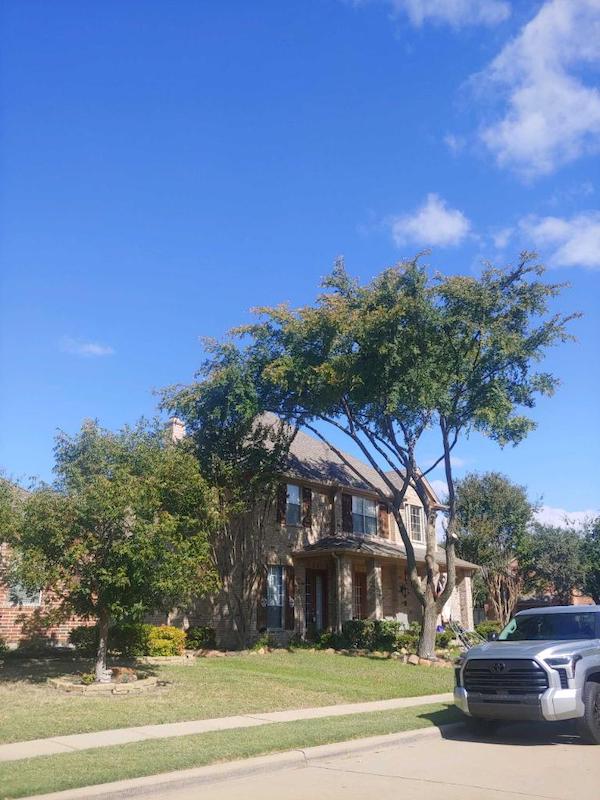
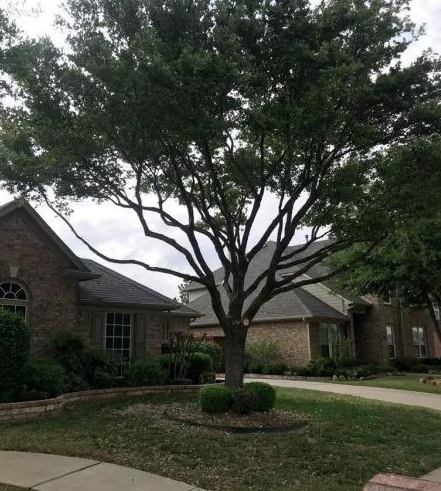
A broccoli cut is an improper pruning practice where a tree’s interior branches are removed and foliage is left concentrated only at the ends of limbs, creating a rounded, tufted appearance similar to a head of broccoli. Although it may appear tidy immediately after trimming, this technique significantly weakens the tree over time. Removing too much inner growth reduces the leaf surface area necessary for photosynthesis, limiting the tree’s ability to produce energy and recover from stress. The remaining outer foliage becomes heavier and more prone to wind damage because the natural branch structure that provides internal support has been compromised. This often leads to weakly attached regrowth, structural imbalance, and an increased risk of limb failure. Proper pruning focuses on maintaining the tree’s natural shape, preserving structural integrity, and making selective cuts that promote healthy, stable growth rather than cosmetic shaping that can shorten the tree’s lifespan.