Canker Disease in Trees: What North Texas Homeowners Need to Know
Recognizing Hypoxylon Canker, Fire Blight, and Other Tree Diseases Before It Is Too Late
Of all the threats facing trees in the Dallas-Fort Worth Metroplex, canker disease is among the most misunderstood and most frequently misdiagnosed. It can look like drought stress. It can resemble insect damage. And by the time visible symptoms become obvious, some forms have already compromised the tree beyond recovery. At Advanced Tree and Shrub Care, Inc., we have been diagnosing and treating tree disease across the DFW region for over 30 years. Our team holds the highest credentials in the industry, including Board Certified Master Arborist, Registered Consulting Arborist, and ISA Certified Arborist designations. Early and accurate diagnosis is everything. Here is what North Texas homeowners need to know.
What Canker Disease Actually Is
A canker is a localized area of dead tissue on the bark, branch, or trunk of a tree, typically caused by a fungal or bacterial infection entering through wounds, pruning cuts, sunscald, or mechanical injury. In severe cases, a canker on the main trunk can threaten the entire tree.
North Texas trees face elevated canker risk due to our climate. Extended drought, intense summer heat, sudden temperature swings, and the clay-heavy soils common across Collin County and the broader DFW area all stress trees and lower their resistance to pathogen entry. A stressed tree is not just a sick tree. It is an open invitation.
The Most Common Canker Diseases Affecting DFW Trees
Three canker diseases appear most frequently in North Texas landscapes, and each behaves differently.
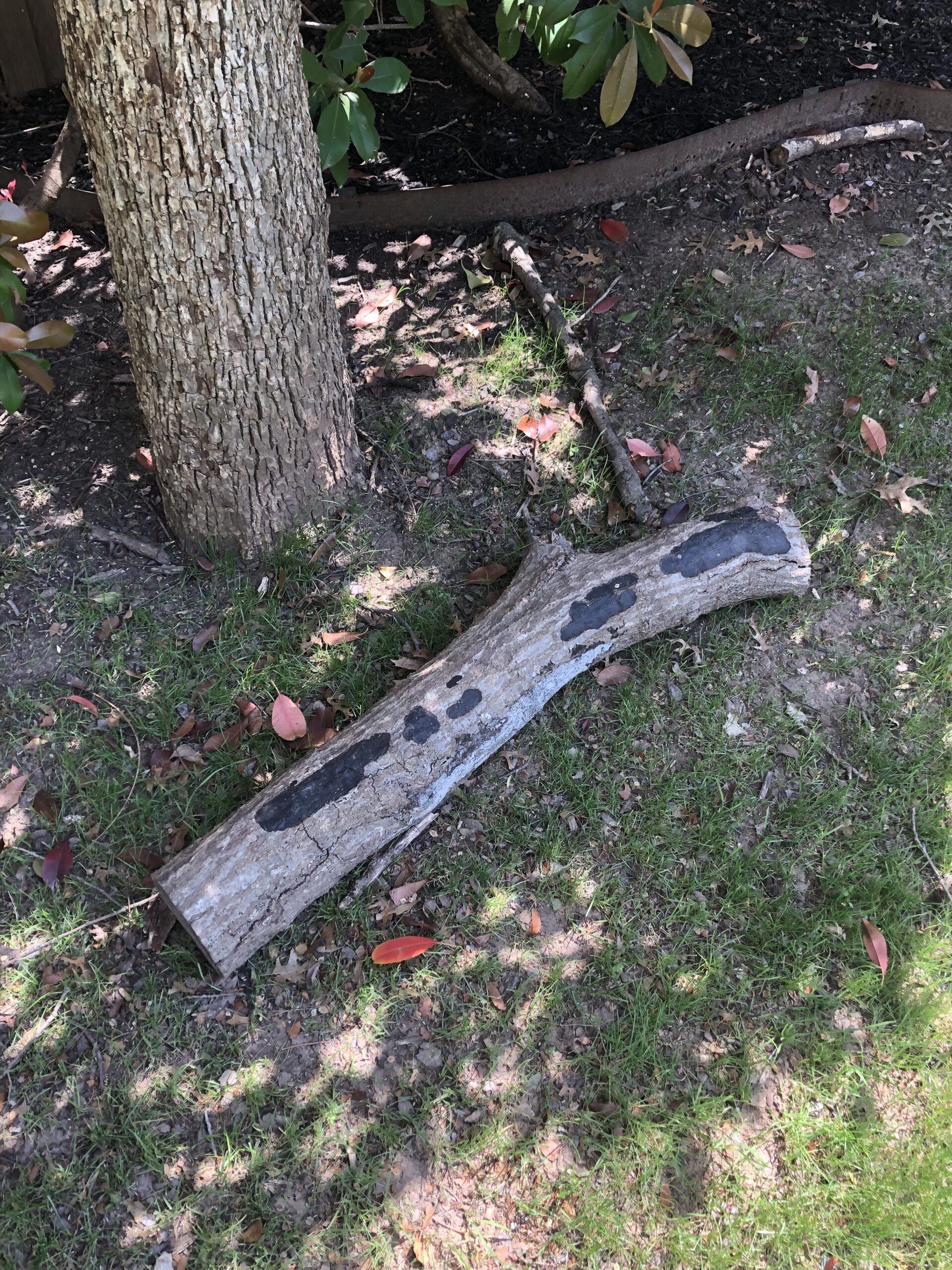
Hypoxylon canker is the most serious, with no cure once established. It primarily targets oaks, elms, sycamores, and pecans. By the time bark begins peeling to reveal dark, powdery fungal material underneath, the tree is typically beyond saving. Prevention and early removal are the only tools available.
Fire blight is a bacterial disease that commonly affects ornamental pear and hawthorns. Look for oozing cankers, blackened foliage, and twig tips that curl into a distinctive hook shape. Unlike Hypoxylon, it can sometimes be managed with prompt, precise pruning and appropriate treatment, but timing is critical.
Seiridium canker can affect a broader range of species including Italian cypress and various hardwoods, producing branch dieback and sunken lesions on bark. Both target stressed specimens and require species-specific identification to manage effectively.
In all three cases, the window between early symptoms and irreversible damage is narrow, which is why professional evaluation at the first sign of distress is always the right call.
What to Look for on Your Property
Catching canker disease before it girdles major branches or reaches the main trunk is the difference between a manageable situation and a loss. Watch for:
- Branches dying back progressively from the tips while neighboring branches remain healthy
- Sunken, discolored, or unusually textured patches on bark, sometimes accompanied by cracks or oozing resin
- Bark peeling or lifting from the trunk or major branches, revealing discolored wood or powdery material
- Areas appearing wet, darkened, or sticky near pruning cuts or points of physical damage
- Crown thinning or premature leaf drop not clearly tied to drought or seasonal conditions
- Dark, irregular lesions at branch unions or along the main trunk
Any of these symptoms in isolation may have multiple explanations. Combined with a history of drought stress or recent physical damage, they warrant immediate professional evaluation.
How a Certified Arborist Responds to Suspected Canker Disease
A proper response begins with accurate diagnosis, not assumptions. At Advanced Tree and Shrub Care, our certified arborists conduct a full site assessment when canker disease is suspected, evaluating overall tree health, soil conditions, root zone integrity, recent environmental stressors, and the specific pattern of visible symptoms.
For diseases where intervention is possible, like fire blight, we develop a precise management plan including proper pruning with sterilized equipment and appropriate treatment applications. For diseases like Hypoxylon canker where no cure exists, we focus on confirming the diagnosis, advising on removal timing to prevent spread, and implementing proactive health care for surrounding trees.
Our plant health care programs, including deep root fertilization, soil amendment, and systematic monitoring, are designed to keep trees in the condition that makes canker disease infection far less likely in the first place.
Concerned About Your Trees? Contact Advanced Tree and Shrub Care Today.
Do not wait for canker disease to become irreversible. Advanced Tree and Shrub Care, Inc. serves homeowners and property managers throughout the DFW Metroplex, including Allen, McKinney, Fairview, Plano, and surrounding communities. Contact us today to request your consultation.