Saving Trees
We Specialize in Saving Trees
Advanced Tree & Shrub Care applies and leverages education, research and years of tree care experience for the best results in caring for your trees.
Advanced Tree & Shrub Care houses a staff of tree care professionals that includes: a degreed Forester, an ASCA Registered Consulting Arborist, an ISA Board Certified Master Arborist, multiple ISA Certified Arborists and a certified Horticulturist. Our highly trained and qualified staff is licensed by the state of Texas to prescribe and perform treatments to save sick trees.
Advanced Tree & Shrub Care works hard to not only maintain these certifications, but to continue our education as evidence to the public of our professional tree care skills. As Certified Arborists, we are recognized tree experts certified by the prestigious International Society of Arboriculture. Possessing these credentials, together with extensive practical experience in the field of arboriculture, we offer a high level of value and comfort to our clients.
The tree care and service industry remain an unregulated field. Consumers deserve some validation that their tree company/arborist has been certified by a respected independent entity. All too often, consumers trust their trees to unskilled, untrained, and unqualified tree/Landscape companies.
Certified Arborists are the only professionals recognized and qualified to care for trees. Don’t trust your trees to amateurs! They deserve better and so do you.
Construction Damage
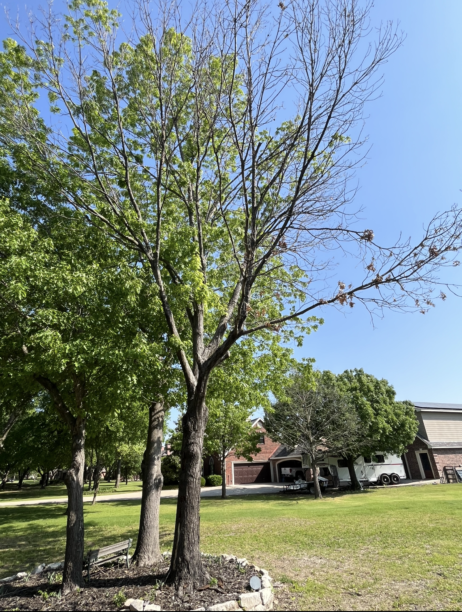
Often the best way to save trees is to protect them before a damaging situation occurs. In the case of something like construction, steps can be taken ahead of time to ensure the safety of trees, shrubs and other flora during the construction phase.
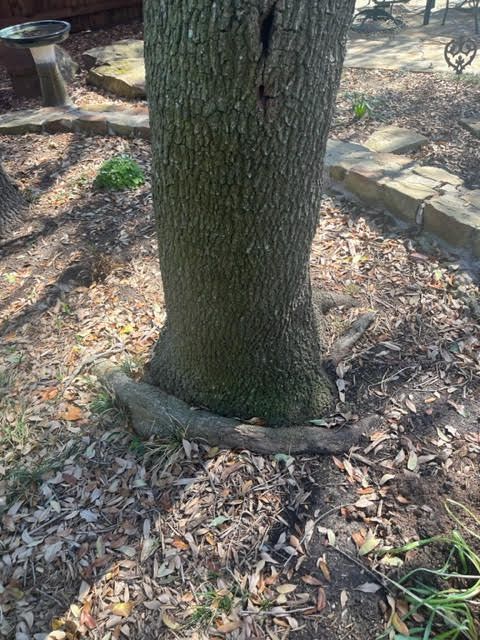
Preserving the well-being of trees during construction is a matter of ecological responsibility and long-term environmental sustainability. Construction activities often pose a threat to trees, leading to soil compaction, root damage, and changes in water availability. Trees play a crucial role in maintaining the balance of ecosystems by providing habitat for wildlife, improving air quality, and contributing to overall biodiversity. The impact of construction damage can extend beyond immediate visual concerns, affecting the health and vitality of the entire ecosystem. To ensure the longevity of these essential green companions, it is imperative to implement protective measures during construction, such as fencing off critical root zones, utilizing proper construction techniques, and employing qualified arborists. By prioritizing the well-being of trees, we not only preserve their intrinsic value but also uphold the delicate equilibrium of our environment for future generations.
Frequently Asked Questions About Saving Trees
What does “tree preservation” mean?
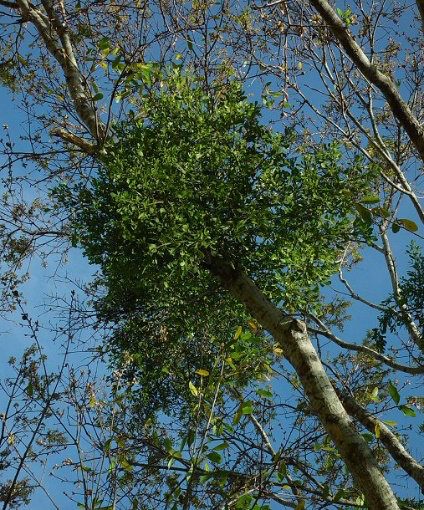
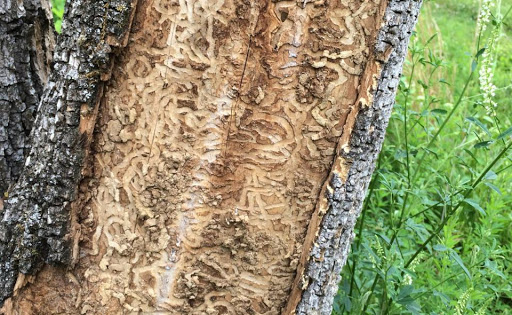
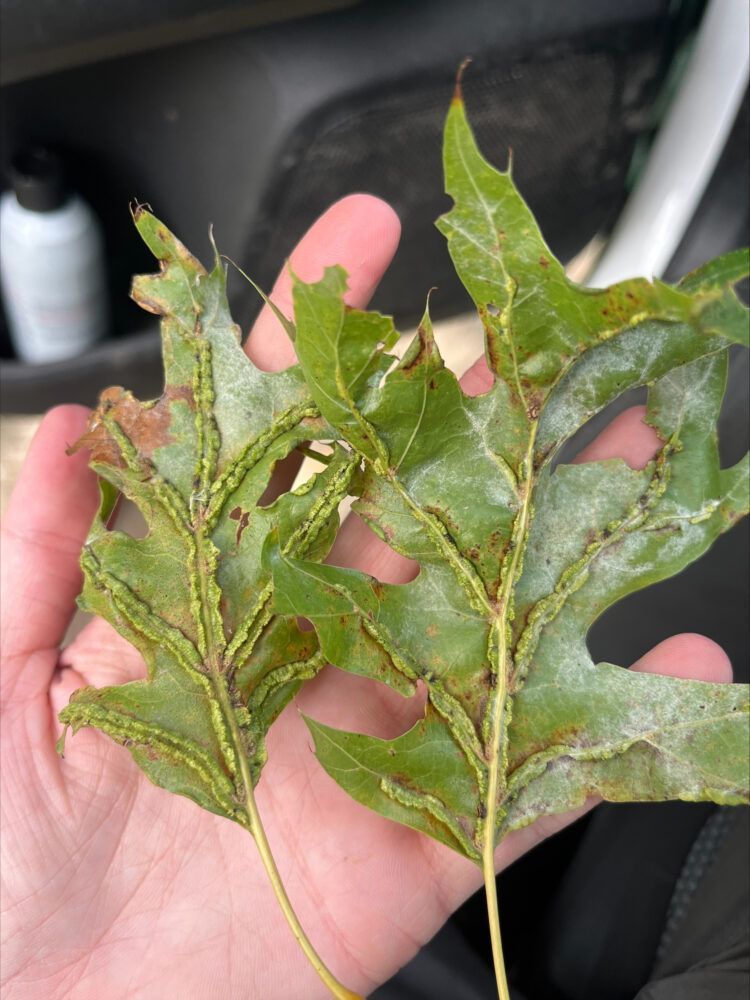
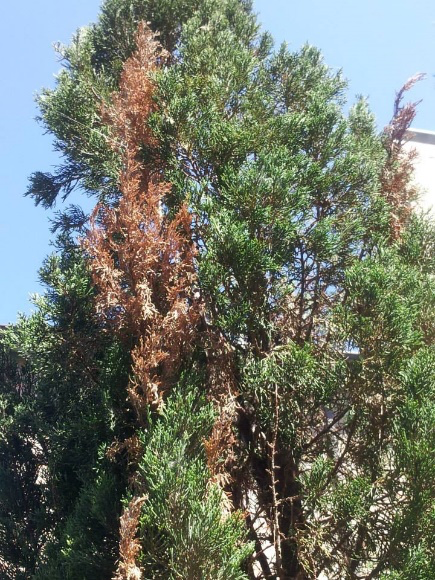
Tree preservation includes targeted care to maintain or improve a tree’s health and structure — such as pruning, soil and root treatments, cabling/bracing, insect/disease management, and lightning protection.
Can a severely damaged tree be saved?
It depends on species, extent of damage, structural issues, and overall health. An ISA-certified arborist will assess and provide honest recommendations for recovery options or safe removal if necessary.
How do you treat insects, disease, or decline?
We diagnose the specific issue and apply the appropriate treatment — whether targeted pruning, soil amendments, biological controls, nutrient injections, or other arboricultural remedies.
What ongoing care do preserved trees require?
Preserved trees benefit from periodic evaluations, corrective pruning, soil care, watering/irrigation support, and monitoring to ensure long-term stability and vigor.